How to Run a Bingo Night: Easy Host Guide

How to Run a Bingo Night
A bingo night is a simple, social event that works well for schools, clubs, workplaces, and community fundraisers. With clear rules, a friendly caller, and a few good prizes, you can create an evening that is easy to run and fun for every age group.
Plan the Event
Start by deciding the purpose of the night: a social gathering, a fundraiser, or both. Set a realistic goal, choose a date, and select a venue with enough tables, chairs, lighting, and space for people to hear the caller clearly.
Give yourself at least six to eight weeks to plan if you need permits, donated prizes, or time to promote the event. Confirm whether your local rules require a gaming or raffle licence, especially if you plan to charge for cards or award cash prizes.
Build Your Team
Assign roles before the event so nobody is scrambling on the night. A small volunteer team can cover:
- Caller, who announces numbers clearly and keeps the pace moving
- Card checker, who verifies winning cards against the called numbers
- Ticket and card seller
- Prize coordinator
- Food, drink, or raffle-table helper
- Setup and cleanup crew
Clear responsibilities make the event feel organized and prevent delays when someone calls “bingo.”
Gather Supplies
You do not need expensive equipment to run a great bingo night. At minimum, prepare:
- Bingo cards or printable sheets
- Daubers, markers, or pencils
- A bingo cage and balls, digital caller, or random-number generator
- A visible number board or screen
- A microphone or PA system for larger rooms
- Prizes for each game
- A rules sheet or displayed game schedule
Use a different card color for each round so players can easily tell which game they are playing.
Choose the Games
Plan three to five games for a casual evening, or 10 to 15 games for a longer fundraiser. Begin with a quick single-line game so someone wins early, then add variety with patterns such as four corners, a letter X, postage stamp, or a full-house blackout.
A simple running order could look like this:
| Time | Activity |
|---|---|
| 0:00 | Welcome, explain rules, distribute cards |
| 0:10 | Game 1: single line |
| 0:20 | Game 2: four corners |
| 0:30 | Game 3: letter X or postage stamp |
| 0:40 | Break for refreshments or a raffle |
| 0:55 | Game 4: single line |
| 1:05 | Final game: full house or blackout |
| 1:20 | Award prizes, thank guests, clean up |
Announce the winning pattern before every game, including whether players need one line, two lines, or a full card to win.
Set the Rules
Explain the rules before the first number is called. Tell players how to mark their cards, when to shout “bingo,” how winners will be verified, and what happens if more than one person wins at the same time.
A few useful rules include:
- One card per player, or a stated maximum number of cards per person
- A player must call “bingo” immediately after completing the pattern
- The caller or checker confirms the win before the prize is awarded
- If two players bingo on the same number, split the prize or hold a quick tiebreaker
- No card changes after a number has been called
Display the rules on a poster, screen, or printed handout so everyone can refer back to them.
Run the Night
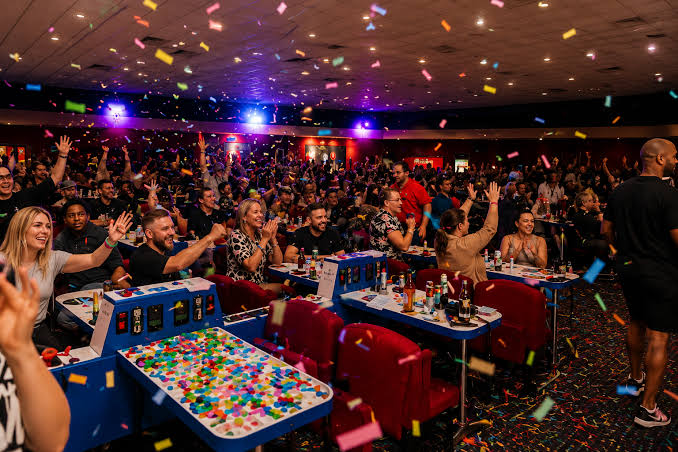
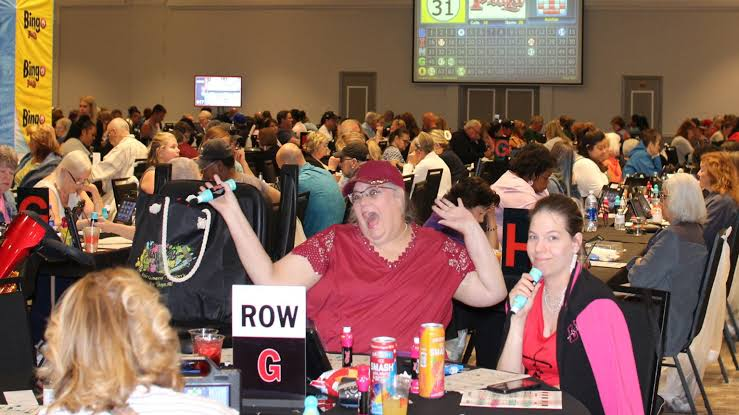
Welcome guests, sell or distribute cards, and explain the first game. Call numbers slowly and clearly, repeat each number, and display it on a board so people at the back can follow along.
When someone calls bingo, pause the game and verify the card against the numbers already called. Congratulate the winner, award the prize, then reset for the next round. Keeping the verification visible and consistent helps avoid disputes.
Pick Good Prizes
Prizes do not need to be expensive to make the night exciting. Consider gift cards, donated local products, themed gift baskets, restaurant vouchers, event tickets, or a larger grand prize for the final blackout game.
For a fundraiser, ask local businesses for donations several weeks in advance. Offering smaller prizes throughout the night and one bigger prize at the end keeps energy high from the first game to the last.
Add Food and Extras
Refreshments can make the event feel more like a night out. Sell snacks, soft drinks, coffee, or a simple meal, and consider adding a raffle, lucky dip, or themed round for extra fun.
If you plan to serve alcohol, check whether your venue or local regulations require a separate licence. Keep the extras optional so the bingo games remain the main attraction.
Promote and Follow Up
Promote the event through posters, social media, community groups, newsletters, and word of mouth. Include the date, time, location, ticket price, prize information, and whether the event is family-friendly or adults-only.
After the night, thank volunteers, sponsors, and attendees. Share the total raised if it was a fundraiser, and ask for feedback so your next bingo night can be even better.
With good preparation, clear rules, and an enthusiastic caller, your bingo night can be an easy-to-run event that brings people together—and keeps them coming back for the next round.
FAQ
How to Host Bingo at Home
How to Host Bingo at Home Hosting bingo at home is a simple and budget-friendly way to create an engaging social experience. A typical home bingo setup costs between and , depending on whether you print cards yourself or purchase a kit. The game works well for groups of to players and usually lasts between and minutes. Because bingo relies on chance rather than skill, it is accessible to all age groups, making it a reliable choice for family gatherings, small parties, or themed events.
Bingo Ticket Pricing: How Much to Charge for Max Profits
:::writing Charging the right price for bingo tickets depends on your audience and the type of event you are hosting. For example, at a small community bingo night with around 30–50 players, tickets usually cost between $1 and $3 per card because people are looking for low-cost fun. In contrast, a charity gala with 100+ attendees may charge $10 to $20 per card since guests expect a more premium experience. Choosing a price that fits your crowd helps keep participation high while still generating income.
How Early Should You Arrive for Bingo?
Most bingo halls recommend arriving at least 30 to 45 minutes before the first game starts, and this timing works well for both beginners and regular players. For example, if a session begins at 7:00 PM, getting there by 6:15–6:30 PM gives you enough time to park, enter, and get settled without rushing. Larger venues or weekend events often attract bigger crowds, so arriving closer to 60 minutes early can help you avoid long entry lines that may take 10–20 minutes to clear.
How to Play DJ Bingo: A Fun Guide for Beginners
DJ bingo is a fun twist on classic bingo where songs replace numbers. Instead of calling out “B‑12” or “G‑58,” a DJ plays short clips of songs, and players match those songs to the titles on their bingo cards. Each card usually has 25 squares arranged in a 5×5 grid, filled with song names or combinations of song and artist. For example, a card might show “Billie Jean – Michael Jackson” or “Uptown Funk – Mark Ronson ft.
Bingo Explained: A Simple English Guide with Real-Life Examples
Bingo: A Simple English Overview with Real-Life Details Bingo is a game of chance that many people enjoy in places like churches, community centers, and family gatherings. In everyday English, “bingo” is both the name of the game and the shout players make when they win. For example, in a church fundraiser, a player might shout “Bingo!” after marking a completed row on their card, signaling a prize is about to be given.
Best Songs for Music Bingo: Crowd-Pleasing Hits Across Decades
Best songs for music bingo: a crowd-pleasing mix Music bingo thrives on songs that are instantly recognizable and easy to sing along with. Classics like Bohemian Rhapsody and Don’t Stop Believin’ repeatedly trigger recognition across generations, helping players feel confident as they mark their cards. Modern hits such as Blinding Lights and Shape of You add fresh energy and keep the vibe current, appealing to younger participants while still resonating with longtime fans.
Can You Really Win Big at Bingo? Secrets Revealed!
Bingo is often seen as a fun and social game, but many players also win real money from it. In the United States alone, bingo generates over $90 billion annually, including charitable and commercial games. For example, a local bingo hall might offer prizes between $50 and $500 per game, while larger events or online platforms can offer jackpots worth thousands of dollars. This shows that while bingo is simple to play, it can still provide real financial rewards.
Where to Play Bingo for Free Online & on Mobile
Bingo no longer means you have to spend money to enjoy it. Right now, you can play as much bingo as you want for free through apps, websites, and online platforms that use virtual coins or free tickets instead of real cash. Many of these options offer the same excitement as a live bingo hall—cards, daubing, themed rooms, and even prizes—but you never need to deposit real money to start playing.
Music Bingo Guide: How It Works Clips & Quick Wins
Music bingo is a fun twist on regular bingo where songs, not numbers, guide the game. For example, your bingo card might show titles like “Bohemian Rhapsody” or artists like “Taylor Swift,” and a host plays short clips to help you find matches on your card. The moment you hear a clip you recognize, you mark the corresponding square and aim for a specific pattern, just like in traditional bingo. This setup makes the game feel like a mini concert you can win.
Bingo Near Me: Find Bingo Halls and Music Bingo Nearby
This site only collects related articles. Viewing the original, please copy and open the following link:How to Run a Bingo Night: Easy Host Guide