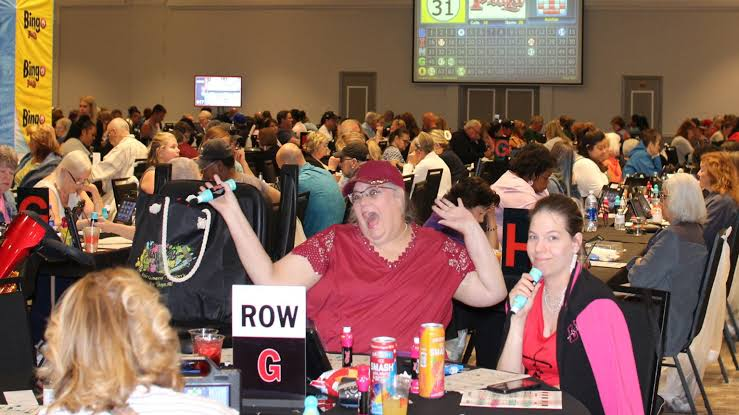
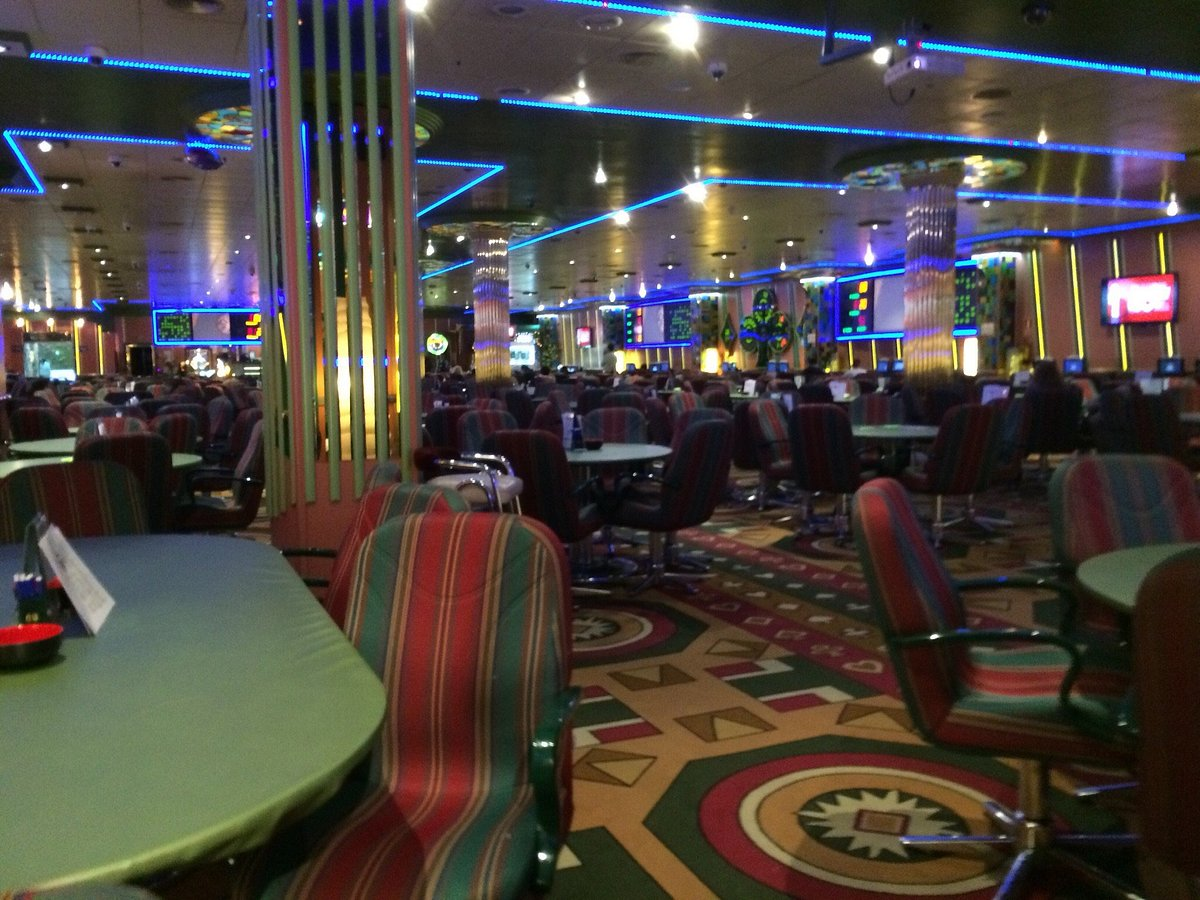
DJ bingo is a fun twist on classic bingo where songs replace numbers. Instead of calling out “B‑12” or “G‑58,” a DJ plays short clips of songs, and players match those songs to the titles on their bingo cards. Each card usually has 25 squares arranged in a 5×5 grid, filled with song names or combinations of song and artist. For example, a card might show “Billie Jean – Michael Jackson” or “Uptown Funk – Mark Ronson ft. Bruno Mars.” The game is popular in bars, clubs, and party venues because it mixes music, memory, and a bit of luck into one fast‑paced activity.
In a typical DJ bingo night, players start by receiving a card and a marker, such as a bingo chip or dauber. The DJ then plays short clips from a playlist, often between 10 and 30 seconds long, so players have just enough time to recognize the song. Each round has a specific pattern to win, such as “one straight line across,” “four corners,” or “full card blackout.” When a player hears a song that matches one of the squares on their card, they mark it immediately. The first person to complete the required pattern shouts “DJ Bingo!” or “Bingo!” and waits for the host to check their card against the official list.
Winning in DJ bingo is not just about speed but also about accuracy. Hosts usually keep a master list of the songs played in each round, so they can quickly verify winners. For example, if the round pattern is “middle row,” and a player marks “Shake It Off – Taylor Swift,” “Blinding Lights – The Weeknd,” and “Sweet Child O’ Mine – Guns N’ Roses” in a row, the host checks that those exact songs were played in that round. Prizes can range from drinks and snacks to small gift cards or vouchers, depending on the venue. Many places also offer progressive jackpots or special prizes for blackout rounds to keep the stakes exciting.
As a player, getting ready for a DJ bingo game is simple but can make a big difference. Arrive early enough to grab a good seat near the main speakers or screen so you can hear song intros clearly. Scan your card quickly and look for the most recognizable hits first, like “Hey Jude – The Beatles” or “Rolling in the Deep – Adele.” These classic songs are usually played early and help you get a head start. If you’re playing with a group, you can split the card by theme—someone takes 80s, someone takes 90s, and someone takes current hits—so you cover more of the playlist together.
During the game, staying focused and reacting quickly is key. Many players make the mistake of waiting for the on‑screen text to appear, but experienced players mark their cards as soon as they recognize the song’s intro or chorus. For example, if you hear the opening guitar riff of “Smoke on the Water – Deep Purple,” you don’t need to see the title to know it’s that song. If you use a digital card on your phone, tapping the screen right when you hear the song helps you avoid missing fast turns. Staying calm and listening carefully often beats trying to mark every song at once.
DJ bingo works best when the music and rules are clear and easy to follow. A good host starts with a simple explanation, like, “We’ll play 10–30 second clips, shout ‘DJ Bingo’ when you win, and only one person can win each round.” Many venues display a small screen with the current song title and artist so players can double‑check their marks. For example, if the DJ plays “Bad Guy – Billie Eilish,” the screen might show the track name and the round pattern like “Edge only.” This reduces confusion and keeps the game moving smoothly.
Themed rounds can make DJ bingo even more enjoyable. Some nights focus on “90s pop hits,” with songs like “Wannabe – Spice Girls” and “Torn – Natalie Imbruglia,” while others highlight “movie theme songs” such as “Eye of the Tiger – Survivor” or “All Star – Smash Mouth.” These themes help players narrow their focus and make it easier to connect the clips to the right square. A themed game might also include fun extra rules, like a bonus prize if someone wins with a song that matches a specific color or character on the card.
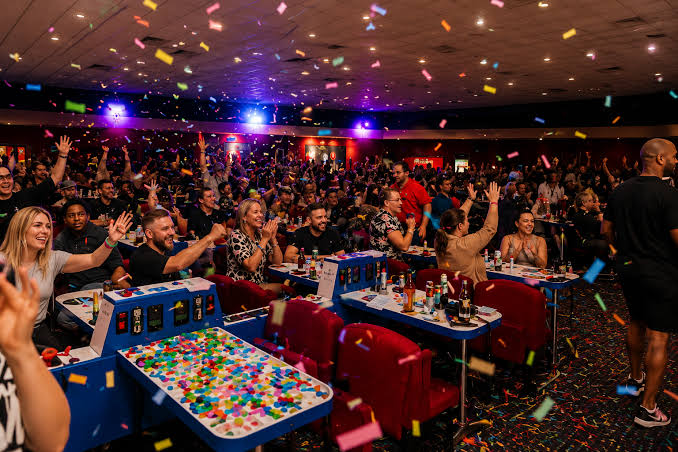
For venues and event organizers, DJ bingo can fill the room with energy and keep guests engaged all night. A typical setup includes a DJ with a prepared playlist, a microphone for the host, and printed or digital bingo cards for each player. Some digital systems even allow players to join by entering a code on their phones, which displays their card and automatically marks songs as they’re played. This kind of tech setup works well for larger groups because it speeds up checking and reduces errors. For example, a bar might run 5–7 rounds in an hour, switching patterns and themes between rounds to keep the mood lively.
Prizes and rewards can be simple but still exciting. A common prize is a free drink or snacks, while larger events might offer gift cards, bar tabs, or small merchandise. Some places run a “double‑stakes” blackout round where the prize is higher if a player completes their entire card. For example, a venue might offer a standard drink for a line win but a full bottle of soda or a small gift card for a blackout. These small incentives make players more invested without turning the game into a high‑pressure competition.
Overall, DJ bingo is an easy game to learn and play, no matter your age or music taste. All you need is a card, a marker, and a willingness to listen carefully to song snippets. With themes, clear rules, and a bit of friendly shouting when you win, DJ bingo turns a regular night out into a fun, interactive music‑filled experience. Whether you’re playing in a busy bar, community hall, or at a home party, the mix of familiar songs and quick reactions keeps everyone smiling and humming along.
music bingo near me
- YouTube
Where to Play Bingo for Free Online & on Mobile
How to Start Playing Online Poker in 2025: A Beginner’s Guide
How to Play DJ Bingo: A Fun Guide for Beginners
WPT Global Casino: A Fun-Filled Adventure
Kidz Bop Music Bingo Card
BJs Bingo Kitts Green Birmingham
WPT Prime Championship Returns with Jereld Sam Shining
The Best Trivia Night Near Me in CT — Big Boy Trivia & Games
What Is Mecca Bingo?
music bingo near me
Use WPT777 Bonus Code to Claim Your Special Offer at WPT Global
Can You Really Win Big at Bingo? Secrets Revealed!
Bingo Near Virginia Beach: Local Venues Schedules and Tips
Bingo In The Coachella Valley Fantasy Springs Resort Casino
WPT Globals New Welcome Bonus: Up to $3580 in Rewards
Mecca Bingo Still Exists in 2026: Clubs + Online Play Live
WPT Global Withdrawal Guide: Cashing Out Made Simple
How Long Does Bongo’s Bingo Last?
How to Play DJ Bingo: A Fun Guide for Beginners
How to Play 3x9 Bingo Easily: Simple Guide for Beginners
bingo halls near me
What is the origin of the name Roulette?
Real-Money Bingo Games You Can Play Now for Cash Wins
Gala Bingo Daily Free Bingo: Every 5 Minutes to Win Gala Points
Music Bingo Events Explained: The Ultimate Fun Party Game
Play At Mecca Oldbury UK Bingo Club Mecca Bingo
Explore Hong Kong Gambling Nearby: Safe Legal Options and Tips
TikTok - Make Your Day
TikTok - Make Your Day
Music Bingo Party: DIY Guide to Host a Fun Kid-Friendly Event
Buzz Bingo Free Days: Win Big Without Spending!
music bingo near me
Can I Play GGPoker in the US?
How to Start a Bingo Business
WPT Global Spring Festival: $7000000 Guaranteed Prize Pool
How to Win Bingo at Bingo Hall: 10 Proven Strategies That Work
Bingo: Meaning How It Works And Everyday Use
Music Bingo Guide: How It Works Clips & Quick Wins
8.40K+ Free Templates for Music bingo flyer PosterMyWall
Bingo - Route 66 Casino Hotel
Oldies Music Singo & Dance Show Pompano Beach Parks
Bingo Halls in Burnley
FAQ
bingo halls near me
Music Bingo HeadTilt Entertainment — Klyde Warren Park
How to Qualify for WPT Live Events Online in 2025
How to Play DJ Bingo: A Fun Guide for Beginners
What Is Vietnamese Bingo Called? The Fun Traditional Game Lô Tô Revealed
Music Bingo vs Regular Bingo: Key Differences Explained
Buzz Bingo looking for new site in Scunthorpe
Win Real Cash Playing Bingo? Truth Revealed!
How to win at slots Tricks to improve your odds
Music Bingo Nights in Omaha — Omaha Guidebook
Shevliakov’s Comeback Wins Million-Euro Prize! How Did an Amateur Shock Everyone at the EPT Monte Carlo?
music bingo near me
Music Bingo – Pinheads
Help - We regret to inform you that your IP address has been blocked
Qualify for the WPT Global Main Event via Low Buy-In Satellites
Music Bingo: The Ultimate Party Game You Need to Try
Buzz Bingo Free Days: Win Big Without Spending!
Bingo Month December: Celebrate Bingo’s Birthday This Holiday Season
Best Bingo Sites in 2026
Use WPT Global Passport Dollars to Enter Triton High-Stakes Events
What Is Club 3000 Bingo?
Bingo at Foxwoods Mashantucket CT
bingo near me
Best Bingo Game to Win Real Money in 2026 (Top Picks)
Find a Post
Does Bingo Cost Money? Free vs Paid Explained
Bingo Near Spokane Coeur dAlene Casino Resort Hotel
Bingo
How Long Does Bingo Last? Game & Session Times Explained
WPT Global Review 2025 — Why It’s One of the Best Online Poker Sites Today
- YouTube
How to Download WSOP NV
Bongos Bingo - Events
bingo halls near me
Singo at a Bar: The Music Bingo Night You Need to Try
Bingo Events & Trivia Nights - Game Night at B&B Theatres - B & B Theatres
Clockenflap 2025: Hong Kongs Biggest Music Festival Explained
Irish Bingo for Beginners: Quick Start Guide
Bingo WeKoPa Casino Resort
Where Do Foreigners Hang Out in Hong Kong? Top Expat Hotspots 2024
Bingo in Dubai: Is It Legal or Illegal? (2026 Truth)
What Is Club 3000 Bingo?
Native American gaming - Wikipedia
Singo: Music Bingo Games Near You Challenge Entertainment
bingo halls near me
Play Music Bingo Near You Tonight in Florida Great Big Trivia
How to Win at Online Slots in 2025 with WPT Global
10 Best Places to Go at Night in Qatar (2026 Night Guide)
Bar Bingo Near Me Xtreme Bar Bingo
Music Bingo - A Bunch Of Babies - playlist by fatcityentertainment Spotify
Win Bingo Now: Beginner Hacks to Beat the Odds!
Bingo
How to Play DJ Bingo: A Fun Guide for Beginners
How to Play 3x9 Bingo Easily: Simple Guide for Beginners
Hong Kong Late-Night Guide
bingo near me
No Deposit Free Spins at WPT Global – Play Without Spending
How Long Is a Bingo Session? (1 to 3 Hours Explained)
Scran & Dram Scottish Public House Events
Viejas Bingo & Slot Parlor San Diegos Best Bingo Parlor 2022
Desert Diamond Casinos - Bingo
Is Buzz Bingo Free on Thursdays? A Complete Guide
Who Has the Most WSOP Bracelets?
Is Bingo a Game of Skill or Luck? | Clear Insights
Irish Bingo for Beginners: Quick Start Guide
Loto vs Bingo: Quick Differences You Can Use Now
Music Bingo vs Regular Bingo: Key Differences Explained
Music bingo vs regular bingo: what sets them apart
Music bingo injects a musical twist into the classic game. Instead of numbers called aloud, players hear song clues and mark the matching spots on their cards. This format blends bingo’s simple mechanics with a playlist-driven challenge, creating a lively, music-filled experience that appeals to fans of songs and pop culture.
Theme and prompts are the first big difference. In music bingo, each square represents a song, artist, or lyric cue, and players identify tracks as the host plays them.
bingo near me
How to Play DJ Bingo: A Fun Guide for Beginners
Best Spots to Play Trivia & Bingo in Colorado Springs - Visit Colorado Springs
Native American gaming - Wikipedia
Bingo Near Me Tonight in 2025 – Local Halls Music Bingo & Fun
- YouTube
MWR Bingo
How to Play Human Bingo: The Ultimate Icebreaker Game Guide
Is Buzz Bingo Free on Thursdays? A Complete Guide
Is There Bingo at Okada Manila? A Quick Guide
WPT Global Withdrawal Guide: Cashing Out Made Simple
bingo halls near me
Music Bingo
Is BingoPlus Legal in the Philippines?
The Thrilling Race for WPT Season 22 Player of the Year at Wynn Las Vegas
What is Hyper Dash in WPT Global?Dive into Quick Thrilling Poker Action!
Bingo in Fresno: Best Places to Play
What role did roulette play in popular culture such as movies and literature?
Payment Options at EVERYGAME Poker: Quick and Easy Transactions
Martin Tsvetanov Wins Record-Breaking Eureka Main Event at EPT Prague
Macau: The Closeest Gambling Hub to Hong Kong — A Data-Driven Travel Guide
Places to Play BINGO on the Treasure Coast
music bingo near me
Why Are Bingo Halls Closing? A Simple Clear Look at The Quiet Collapse
WPT Global Newest Promo: Ticket to Some Additional Play Money
Can You Win Money on Bingo? Real Facts & Big Prizes Revealed
9 Casinos With Bingo in Las Vegas Today (2026 Guide)
Can You Shazam During Music Bingo? Yes (And Hosts Love It!)
Explore Hong Kong Gambling Nearby: Safe Legal Options and Tips
How to Play Human Bingo: The Ultimate Icebreaker Game Guide
Licensed Music Bingo - All Star Entertainment KY
WPT Global Casino: A Fun-Filled Adventure
What is the future of the game of roulette?
music bingo near me
10 Free Bingo Sites That Pay Real Money in 2026
Native American gaming - Wikipedia
Online Casino Welcome Bonus No Deposit 2025
WPT World Championship 2024 Kicks Off at Wynn Las Vegas: What to Expect
What Is 24 Ball Bingo? Fast Digital Bingo Explained
Is Bingo Only for Adults?
Is Bingo Bonanza Free to Play? Yes! 6 Daily Free Sessions + £16K Prizes
Music Bingo – Pinheads
WSOP USA Top 8 FAQ
- YouTube
Best Songs for Music Bingo: Crowd-Pleasing Hits Across Decades
Best songs for music bingo: a crowd-pleasing mix Music bingo thrives on songs that are instantly recognizable and easy to sing along with. Classics like Bohemian Rhapsody and Don’t Stop Believin’ repeatedly trigger recognition across generations, helping players feel confident as they mark their cards. Modern hits such as Blinding Lights and Shape of You add fresh energy and keep the vibe current, appealing to younger participants while still resonating with longtime fans.
music bingo near me
WPT Global Newest Promo: Ticket to Some Additional Play Money
How to Start a Bingo Business
Is Bingo Legal in the Philippines? The 2026 Truth You Need to Know
Where Do Foreigners Hang Out in Hong Kong? Top Expat Hotspots 2024
Bingo - Route 66 Casino Hotel
Music Bingo Guide: How It Works Clips & Quick Wins
Bingo Play Bingo Join tombola tombola
Club 3000 Bingo Start Times: Exact Session Schedule You Need
How Much Does Bingo Cost?
Bongos Bingo - La Bellevilloise
bingo halls near me
Triple Crown Bingo Humble High-Stakes Bingo Fun
How to Play DJ Bingo: A Fun Guide for Beginners
Free Thursdays at Buzz Bingo: Win Big Without Spending!
How Long Does Music Bingo Take? 30-Min to 2-Hour Game Guide
How Long Does Bingo Bongo Last? 3-Hour Party Breakdown
Scran & Dram Scottish Public House Events
Macau: The Closeest Gambling Hub to Hong Kong — A Data-Driven Travel Guide
The Best Trivia Night Near Me in CT — Big Boy Trivia & Games
WPT Global Newest Promo: Ticket to Some Additional Play Money
MUSIC BINGO - Buck Hill
music bingo near me
Where to Buy a Wendake Bingo Card - Fast & Easy Guide
Meet People in Hong Kong: Real Ways to Connect Fast
How to Qualify for WPT Live Events Online in 2025
Bingo at Station Casinos
What is a Rake Chase?
Can You Shazam During Music Bingo? Yes (And Hosts Love It!)
New Rules for WSOP Paradise: Electronic Devices and Real-Time Assistance
What Is 24 Ball Bingo? Fast Digital Bingo Explained
Bingo Halls in Burnley
MUSIC BINGO - Buck Hill
bingo halls near me
How Long Does Music Bingo Take? 30-Min to 2-Hour Game Guide
Best Bingo Spots in Paris 2026: Drag Bingo & Rock Bingo Guide
Top Qatar Fun: Desert Safaris Markets Museums & Nightlife
When and why was the double zero added to the American roulette wheel?
Who invented the game of roulette?
Bingo Musical Pop Française: Quick & Fun Guide to Host a Memorable Game Night
WPT Global Review 2025 — Why It’s One of the Best Online Poker Sites Today
Is Bingo Bonanza Free to Play? Yes! 6 Daily Free Sessions + £16K Prizes
Singo vs Music Bingo: What’s the Difference?
Bingo - AMERICAN LEGION POST 80
Win Real Cash Playing Bingo? Truth Revealed!
Got it — I’ll simplify the tone, add concrete examples and data, and keep everything in clear, reader-friendly paragraphs.
:::writing Bingo can pay real money, and millions of people play it worldwide both online and in person. For example, in the UK alone, the bingo industry generates over £1.3 billion annually, showing how common real-money bingo is. When you play in a paid game, you usually buy a ticket or card, and that money goes into a prize pool that winners can claim.
music bingo near me
Balcones Bingo - Golden Bingo Family
How Long Do 10 Rounds of Bingo Take? 50-100 Min Guide
Is Online Poker Rigged?
WPT Global Now Title Sponsor For Triton Poker Super High Roller Series
How to Host Bingo at Home
Music Bingo
How Long Does Bingo Bongo Last? 3-Hour Party Breakdown
Bingo in Fresno: Best Places to Play
Best Day to Play Bingo: When to Win More
WPT Global Spring Festival: $7000000 Guaranteed Prize Pool
bingo near me
Real-Money Bingo Games You Can Play Now for Cash Wins
Bingo - Congregation Ohav Sholom
WPT Global Now Title Sponsor For Triton Poker Super High Roller Series
How Long Does Bongos Bingo Last? The Ultimate 3-Hour Party Guide
Music Bingo Every Friday with Kirk Bold Republic Brewing Company Brewery American Restaurant in Texas
Turning Stone Casino Bingo: Calendar & High Stakes Games
WPT Global Million Sunday Hyper PKO Showdown: Event Details & Guide
Wedding Music Bingo Card
77 Bingo Slang: Sunset Strip and Fun Calls Explained
Most Trusted Online Casino: WPT Global
bingo near me
Bingo at Station Casinos
Cypress Bingo Hall – Page 2 – Come and Play
Music Bingo Thursdays - 7pm The Trail House
TikTok - Make Your Day
One Shot – Freezeout Tournament by WPT Global
WPT Global ¥110 CN¥ Million Sunday Hyper PKO Showdown
Music Bingo at State 28 Kitchen & Cocktails - Old Town Lewisville Lewisville TX
Golden Bounty Championship: Your Weekly Shot at $100K on WPT Global
77 Bingo Slang: Sunset Strip and Fun Calls Explained
WPT Global Bonus Terms: Cashing In Made Simple
bingo near me
Best Bingo Game to Win Real Money in 2026 (Top Picks)
Top Qatar Fun: Desert Safaris Markets Museums & Nightlife
Music Bingo Night: How to Run a Fun Fast and Profitable Event
How Long is a Bingo Session? Quick Facts
Frank Stepuchin Leads 2024 WPT Seminole RRPO After Day 1
Bingo at Station Casinos
Where Can You Gamble in Hong Kong?
Best Spots to Play Trivia & Bingo in Colorado Springs - Visit Colorado Springs
Fun Things to Do in West Chester Karaoke Music Trivia Quizzo & More
Bar Bingo Near Me Xtreme Bar Bingo
Can You Shazam During Music Bingo? Yes (And Hosts Love It!)
Yes, you can absolutely use Shazam during music bingo, and many hosts actually encourage it. Music bingo works just like regular bingo, but instead of numbers, you match songs played to squares on your card. Most hosts play about 60 seconds of each song, giving you plenty of time to open Shazam and get an identification in just 5 to 10 seconds.
Using Shazam makes music bingo much easier for people who aren’t music experts.
Is Bingo Legal in Alabama? The Truth About Paper vs Electronic Bingo
11 best poker apps and games for Android
How Long Does Music Bingo Really Last? Quick Guide
Use WPT777 Bonus Code to Claim Your Special Offer at WPT Global
Help - We regret to inform you that your IP address has been blocked
Win Real Cash Playing Bingo? Truth Revealed!
Bongos Bingo - Events
Bingo Ticket Pricing: How Much to Charge for Max Profits
Buzz Bingo Cost Guide
music bingo near me
WPT Global No Deposit Bonus 2025 – Try Real Online Poker Risk-Free
Unlock Bingo Luck: Smart Ways to Boost Your Wins
Find a Weekly Bingo
How Much Money Do You Really Need to Play Bingo?
Hong Kongs Best Summer 2026 Events: Dragon Boats Art & Volleyball!
Bingo Halls in Peterborough ON YellowPages.ca™
How Much to Charge for Bingo Night (2026 Pricing Guide)
Best Spots to Play Trivia & Bingo in Colorado Springs - Visit Colorado Springs
What role did roulette play in popular culture such as movies and literature?
Best Day to Play Bingo: When to Win More
bingo halls near me
Music Bingo
Irving Bingo Hall - Seneca Gaming & Entertainment
Find a Post
Play Bingo at Mystic Lake
Bingo
What is the origin of the name Roulette?
What Is Bingo Night? Your Complete Guide to Fun & Winning
How to Play Bingo in French: Fun Language Game for Learners
How Early Should You Arrive for Bingo?
Native American gaming - Wikipedia
bingo halls near me
The Thrilling Race for WPT Season 22 Player of the Year at Wynn Las Vegas
Hong Kongs Best Summer 2026 Events: Dragon Boats Art & Volleyball!
Bot Verification
Allen Brass Tap Craft Beer Bar Allen TX
Is There Bingo at Okada Manila? A Quick Guide
Music Bingo at State 28 Kitchen & Cocktails - Old Town Lewisville Lewisville TX
Bingo at the Tachi Palace Live Bingo in Lemoore CA
Best Songs for Music Bingo: Crowd-Pleasing Hits Across Decades
Where to Buy a Wendake Bingo Card - Fast & Easy Guide
WPT Global ¥110 CN¥ Million Sunday Hyper PKO Showdown
Singo vs Music Bingo: What’s the Difference?
Singo and music bingo are very similar, but Singo is usually the branded version of a music-based bingo game. In both, players listen to songs, match them to a card, and mark off the correct square when they hear a song they know. For example, if a card includes “Sweet Caroline” or “Uptown Funk,” you mark that square when that song plays. The main idea is the same, but Singo is often packaged as a more specific event experience.
bingo halls near me
What Is 24 Ball Bingo? Fast Digital Bingo Explained
Bingo - Norths Leagues & Services Club
The Best Trivia Night Near Me in CT — Big Boy Trivia & Games
What role did roulette play in popular culture such as movies and literature?
Bingo
- YouTube
Bingo at St. Thomas the Apostle - St. Thomas the Apostle Old Bridge NJ
Free Thursdays at Buzz Bingo: Win Big Without Spending!
Bingo Near Virginia Beach: Local Venues Schedules and Tips
Bitstarz no deposit bonus up to 5 BTC and 200 free spins
bingo near me
Mecca Bingo Still Exists in 2026: Clubs + Online Play Live
WPT Global: The Premier Choice for Poker Players
Bingo Hall Costs Explained
How Long Do 10 Rounds of Bingo Take? 50-100 Min Guide
Hong Kong Music Trends
Bingo in Dubai: Is It Legal or Illegal? (2026 Truth)
What Is Club 3000 Bingo?
Music Bingo Near Me: How to Find Local Music Bingo Nights
Casino Bingo Near Me: How Casino Bingo Rooms Work
What Is Vietnamese Bingo Called? The Fun Traditional Game Lô Tô Revealed
bingo near me
What is Hyper Dash in WPT Global?Dive into Quick Thrilling Poker Action!
What Is Stand Up Bingo? The Exciting Irish Game Where You Stand to Win
How Much Money Do You Really Need to Play Bingo?
Unlock Bingo Luck: Smart Ways to Boost Your Wins
Music Bingo – Twin City
Bingo in Dubai: Is It Legal or Illegal? (2026 Truth)
How Long Is a Bingo Session? (1 to 3 Hours Explained)
Billings Montana Has the Most Bingo Halls in the US (45 Halls!)
Bingo at South Point Casino Las Vegas Bingo in Casino
Bingo - Congregation Ohav Sholom
bingo near me
Music Bingo: What Is It Called? A Quick Guide
Music Bingo - A Bunch Of Babies - playlist by fatcityentertainment Spotify
Music Bingo Thursdays - 7pm The Trail House
Massive Bingo Wins: Jackpots Up to €150K Revealed!
Music Bingo near me
The best guide: how to playing poker online
Bingo - Oneida Casino Hotel - Where Winners Play!
Which Countries Can Play WPTGlobal in 2024?
Irving Bingo Hall - Seneca Gaming & Entertainment
Buzz Bingo
Music Bingo vs Regular Bingo: Key Differences Explained
Music bingo vs regular bingo: what sets them apart
Music bingo injects a musical twist into the classic game. Instead of numbers called aloud, players hear song clues and mark the matching spots on their cards. This format blends bingo’s simple mechanics with a playlist-driven challenge, creating a lively, music-filled experience that appeals to fans of songs and pop culture.
Theme and prompts are the first big difference. In music bingo, each square represents a song, artist, or lyric cue, and players identify tracks as the host plays them.
bingo halls near me
Irish Bingo for Beginners: Quick Start Guide
Mixtape Bingo – NYC Trivia League
Bingo - Sandia Resort & Casino
Bingo Halls in Burnley
Bingo Loco Prizes: What You Can Really Win at the Crazy Party Night
Bingo - Congregation Ohav Sholom
Buzz Bingo Cost Guide
How to Play 3x9 Bingo Easily: Simple Guide for Beginners
Bingo - Silver Hill VFD
Martin Tsvetanov Wins Record-Breaking Eureka Main Event at EPT Prague
bingo near me
Bingo in North Las Vegas Nevada Santa Fe Station Casino
Explore Hong Kong Gambling Nearby: Safe Legal Options and Tips
Top 10 Hot Date Spots in Qatar for 2026
Bingo Hall Costs 2026: How Much Does It Really Cost to Play?
How Long is a Bingo Session? Quick Facts
What Is Bingo Night? Your Complete Guide to Fun & Winning
Find a Post
Bingo in Fresno: Best Places to Play
Music Bingo Crystal Springs Resort
Bingo - Sandia Resort & Casino
bingo near me
What Number Does Bingo Go Up To?
How to Start Playing Online Poker in 2025: A Beginner’s Guide
Bingo Near Me FAQ: Local Games Halls Costs Rules and Beginner Tips
Buzz Bingo Cost 2026: Play Bingo for Just 1p!
Chumash Casino Bingo Bingo Sunday Thru Wednesday Every Week!
Hong Kongs Best Summer 2026 Events: Dragon Boats Art & Volleyball!
Jukebox Bingo Trivia near me - Best Trivia Ever
Bingo Ticket Prices 101: How Much Is a Bingo Ticket?
Billings Montana Has the Most Bingo Halls in the US (45 Halls!)
Best Bingo Hall in Arizona
bingo near me
Bongos Bingo - Events
Viejas Bingo & Slot Parlor San Diegos Best Bingo Parlor 2022
Music Bingo Guide: How It Works Clips & Quick Wins
Buzz Bingo Cost Guide
Billings Montana Has the Most Bingo Halls in the US (45 Halls!)
Music Bingo Game Night Rockpit Brewing & Distilling
How Old Do You Have To Be To Sit In A Bingo Hall? Age Rules Explained
Bingo - Seven Feathers Casino
Buzz Bingo
Buzz Bingo Free Days: Win Big Without Spending!
Bingo Near Me: Find Bingo Halls and Music Bingo Nearby
Find out where Bongo Bingo Stoke is located at Victoria Hall ST1 1NB. Get venue details upcoming dates ticket prices £12-18 and what to expect at this 18+ bingo rave with 300+ players.
Discover who holds the most WSOP bracelets including poker legends like Phil Hellmuth and explore the careers of the biggest names in the game. Learn about their accomplishments and find out who could challenge Hellmuths incredible record.
Explore how music bingo blends party fun with familiar tunes. Learn what’s on the cards how clips are used common winning patterns and practical tips to enjoy and win in casual settings like bars and gatherings.
bingo near me
Bingo Near Me: Find Bingo Halls and Music Bingo Nearby
Bingo Near Me: Find Bingo Halls and Music Bingo Nearby
bingo halls near me
Is Online Bingo Legal in the Philippines? 2026 Complete Guide
Bingo Loco Prizes: What You Can Really Win at the Crazy Party Night
Cypress Bingo Hall – Page 2 – Come and Play
What Is Club 3000 Bingo?
Best Bingo Game to Win Real Money 2026: Top Apps That Pay Cash
The Thrilling Race for WPT Season 22 Player of the Year at Wynn Las Vegas
Free Thursdays at Buzz Bingo: Win Big Without Spending!
What Is Music Bingo Called?
Bingo at Station Casinos
How to Play Standing Bingo
bingo halls near me
Play Music Bingo Near You Tonight in Florida Great Big Trivia
Buzz Bingo Cost Guide
How Early Should You Arrive for Bingo?
Billings Montana Has the Most Bingo Halls in the US (45 Halls!)
Does Bingo Cost Money? Free vs Paid Explained
Bingo Near Me: How to Find Local Bingo Games Halls and Events
New Rules for WSOP Paradise: Electronic Devices and Real-Time Assistance
Can You Host Bingo Night in Your Pub?
Is Bingo Legal in the Philippines? A Clear Guide
Music Bingo – Pinheads
bingo near me
Bingo - AMERICAN LEGION POST 80
Is Bingo Bonanza Free to Play? Yes! 6 Daily Free Sessions + £16K Prizes
How Long Does Music Bingo Really Last? Quick Guide
- YouTube
Buzz Bingo Cost Guide
DJ Bingo: The Ultimate Music Bingo Game You Need to Try
Bingo Hall Costs Explained
How did the introduction of online casinos impact the game of roulette?
Botanist Bingo Ticket Prices: Realistic Range Inclusions & Savings
Music Bingo
bingo halls near me
Bingo at Station Casinos
How Much to Charge for Bingo Night (2026 Pricing Guide)
Musical Bingo Hire Corporate Event Hire Office Games
Power Bingo - Golden Bingo Family
How to Play Bingo in French: Fun Language Game for Learners
Buzz Bingo looking for new site in Scunthorpe
Home - National Bingo Game Association
Dirty Bingo Ideas: Real Data Clear Rules Fun Examples
Bingo Ticket Pricing: How Much to Charge for Max Profits
Events - My Way Tavern
Bingo Near Me: Find Bingo Halls and Music Bingo Nearby
Play Now bingo near me
Bingo Near Me: Find Bingo Halls and Music Bingo Nearby
bingo halls near me
Find a Trivia Bingo or Music Bingo Game Great Big Trivia
Do You REALLY Need to Pay to Play Bingo? Free vs Paid Secrets Revealed
Best Poker Site for Real Money 2025 — Why WPT Global Stands Out
WSOP USA Top 8 FAQ
WPT Global Bonus Terms: Cashing In Made Simple
Top Qatar Fun: Desert Safaris Markets Museums & Nightlife
Bingo - Route 66 Casino Hotel
Bingo Hall Costs 2026: How Much Does It Really Cost to Play?
11 best poker apps and games for Android
Massive Bingo Wins: Jackpots Up to €150K Revealed!
music bingo near me
Where is the Loto Today in France?
Can You Date in Qatar? Secrets Revealed!
How Long Does Music Bingo Last? Game Duration Explained
Can You Really Win Big at Bingo? Secrets Revealed!
Bingo - Oneida Casino Hotel - Where Winners Play!
Desert Diamond Casino Bingo: Do They Offer Bingo Sessions?
Golden Bounty Championship: Your Weekly Shot at $100K on WPT Global
What is the future of the game of roulette?
Rochester MN Bingo Roundup
Bingo In The Coachella Valley Fantasy Springs Resort Casino
Bingo Near Me: Find Bingo Halls and Music Bingo Nearby
music bingo near me
How to Host Bingo at Home
Top Qatar Fun: Desert Safaris Markets Museums & Nightlife
Play Music Bingo Near You Tonight in Florida Great Big Trivia
What’s On at BJ’s Bingo Reading – Games Jackpots & Specials
Jukebox Bingo Trivia near me - Best Trivia Ever
MWR Bingo
WSOP USA Top 8 FAQ
WPT Global Now Title Sponsor For Triton Poker Super High Roller Series
Botanist Bingo Ticket Prices: Realistic Range Inclusions & Savings
Bingo at Station Casinos
bingo near me
Free Thursdays at Buzz Bingo: Win Big Without Spending!
Bingo: Meaning How It Works And Everyday Use
Bingo Loco at Eagle Mountain Casino: Live High-Energy Bingos with Prizes
Best Spots to Play Trivia & Bingo in Colorado Springs - Visit Colorado Springs
How to Play Human Bingo: The Ultimate Icebreaker Game Guide
Music Bingo Game Night Rockpit Brewing & Distilling
Music Bingo: What Is It Called? A Quick Guide
Six Jefferson County bingo halls shut down by law enforcement
When and where was the game of roulette first played?
Music bingo vs regular bingo: what sets them apart
Music bingo injects a musical twist into the classic game. Instead of numbers called aloud, players hear song clues and mark the matching spots on their cards. This format blends bingo’s simple mechanics with a playlist-driven challenge, creating a lively, music-filled experience that appeals to fans of songs and pop culture.
Theme and prompts are the first big difference. In music bingo, each square represents a song, artist, or lyric cue, and players identify tracks as the host plays them.