



















































































How to Play Stand-Up Bingo: Easy Rules for a Fun Party Game

How to Play Stand-Up Bingo
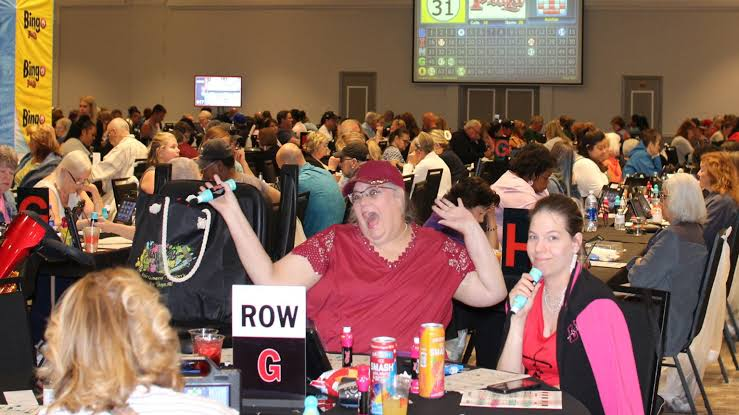
Stand-up bingo is a fun and easy party game where the last person standing wins. It is also known as Irish bingo or stand-up, sit-down bingo. Instead of trying to complete a line on a bingo card, players try to avoid having their number called.
What You Need to Play
To play stand-up bingo, you need a caller, numbered tickets, and enough chairs for every player. Each player receives one ticket with a single number on it. You will also need a way to choose random numbers, such as a bingo cage, numbered cards, a spinner, or a random number generator.
Prepare a small prize for the winner, such as a gift card, candy, or a party trophy. If you are playing with a large group, ask someone to help track which players are still standing. This makes the game easier to manage and keeps everyone involved.
Set Up the Game
Give every player one numbered ticket before the game begins. Make sure no two players have the same number. For example, if you have 20 players, prepare tickets numbered from 1 to 20.
Ask all players to stand up in an open space. The caller should stand where everyone can hear clearly. Before starting, explain the main rule: when your number is called, you must sit down and stop playing.
Start Calling Numbers
The caller draws one number at a time and announces it clearly to the group. Players listen carefully because they must know when their own number is called.
When a player hears their number, they sit down immediately. That player is out of the current round. The caller continues drawing numbers until only one person remains standing.
Win the Round
The winner is the last player who is still standing after every other player has sat down. Unlike regular bingo, having your number called does not help you win. In stand-up bingo, it eliminates you from the round.
For example, if there are 10 players, the caller may announce numbers such as 7, 3, 9, and 2. Each player with one of those numbers sits down. The game continues until only one player has not heard their number.
Handle a Tie
Sometimes two or more players may still be standing when their numbers are called in the same round. If this happens, those players can share the prize. This is a fair and friendly way to end the game.
You can also decide on a tie-breaker before the game starts. For example, the remaining players can draw again from a separate set of numbers, answer a trivia question, or play a quick round of rock-paper-scissors.
Try Fun Variations
You can make stand-up bingo more exciting with simple changes. Give each player two or three tickets instead of one. If any of their numbers is called, they must sit down.
Another option is to play in teams. Divide players into groups and give each team several numbers. When one of a team’s numbers is called, the whole team sits down. The last team standing wins.
For parties, use themed numbers or categories. Instead of regular numbers, use holiday-themed words, colors, movie titles, or song names. This makes the game more personal and entertaining.
Tips for a Great Game
Keep the pace steady so players can hear every number. Repeat each number once if the room is large or noisy. Make sure the caller speaks clearly and waits a few seconds before moving to the next number.
Use small prizes for the final three players if you have a big group. This keeps more people excited until the end. Most importantly, keep the rules simple and encourage everyone to cheer for the players who are still standing.
Stand-up bingo is popular because it requires very little preparation and works for all ages. With numbered tickets, a caller, and a little space to stand, you can turn any gathering into a lively game night.
Bingo Near Me: Find Bingo Halls and Music Bingo Nearby
This site only collects related articles. Viewing the original, please copy and open the following link:How to Play Stand-Up Bingo: Easy Rules for a Fun Party Game